
Share


In women, fatigue, low energy and difficulty concentrating are often attributed to daily routines or the menstrual cycle. But these symptoms may also be associated with iron deficiency, a mineral the body regularly loses during menstruation. This connection has led to a recommendation gaining traction on social media: women should eat more meat to replenish lost iron.
Iron is involved in the production of hemoglobin, the protein that transports oxygen throughout the body. A deficiency of this nutrient is the most common nutritional cause of anemia. Although not all anemia is caused by iron deficiency, estimates from the World Health Organization (WHO) indicate that 30.7% of women aged 15 to 49 worldwide had anemia in 2023. The figure includes different causes of the condition and does not mean that all of these women needed to eat more meat.
Read also: Iron deficiency is among the most common nutritional deficiencies worldwide
What happens to iron during menstruation?
Menstrual blood contains iron. Therefore, people who menstruate need to regularly replace these losses through their diet. But the amount lost varies from person to person. The duration and intensity of the flow make a difference, as does iron intake throughout the month.
Very heavy or prolonged bleeding deserves special attention, as it may contribute to iron-deficiency anemia and usually requires an investigation into the cause of the bleeding.
Does every woman need iron supplements?
Menstruation, by itself, is not a reason to start taking iron on your own. The need for supplementation depends on health history, diet, menstrual flow intensity and, when indicated, tests such as a complete blood count and ferritin, which help assess iron stores.
One study found improved fatigue with supplementation in some of the women studied who experienced tiredness without anemia. The result suggests that iron deficiency may be relevant even before diagnosis; but this does not mean that all fatigue should be treated with supplements. High doses can cause adverse effects. Therefore, a health professional should be consulted.
Does red meat help provide iron?
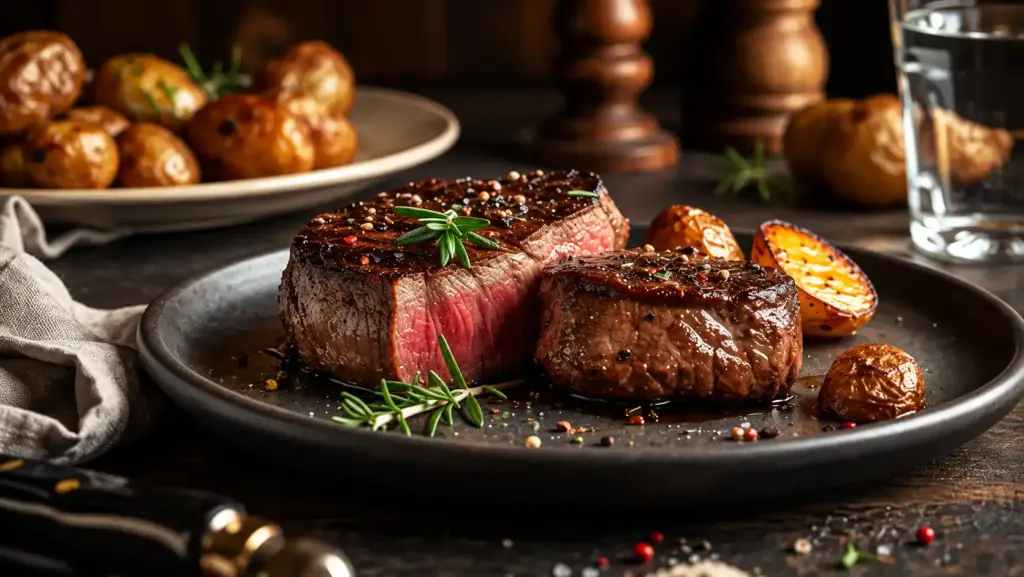
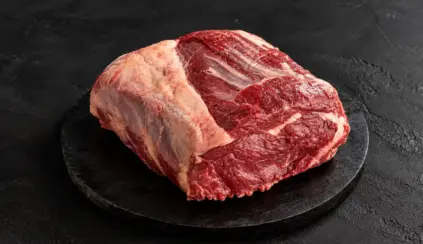
Beef provides heme iron, which the body absorbs more easily than non-heme iron found in plant foods. It can therefore help meet iron needs as part of a varied diet. But this is different from saying that every woman needs to increase her meat consumption or that meat alone treats an existing deficiency.
Absorption depends on the meal as a whole, not just on an individual food. The fact sheet from the Office of Dietary Supplements at the U.S. National Institutes of Health (NIH) estimates iron bioavailability at about 14% to 18% in mixed diets containing significant amounts of meat, fish and vitamin C, and 5% to 12% in vegetarian diets.
How much iron does a woman need to consume?
As a reference, the NIH recommends 18 mg of iron per day for women aged 19 to 50 and 8 mg per day from age 51 onward. Requirements are different during pregnancy and may vary according to health conditions. The figures refer to the iron consumed in the diet throughout the day. This means that 18 mg of iron is not equivalent to 18 mg of meat, nor is there a universal serving of the food that guarantees this amount. (See here the average amount of iron in various foods of animal and plant origin).
For people who eat meat, it can be part of varied meals alongside legumes, vegetables, fruit and other foods. People who do not eat meat can also obtain iron through their diet, but they need to pay attention to plant sources and combinations that promote nutrient absorption, with appropriate nutritional guidance from a specialist.
What other foods provide iron?
Beans, lentils, chickpeas and tofu are examples of plant-based sources of iron. Poultry and fish also contribute to mineral intake. In the case of plant-based iron, combining the meal with sources of vitamin C, such as oranges, acerola, guava or tomatoes, can improve absorption. A plate of beans served with a tomato salad or citrus fruit is a simple example of this combination, as advised by the MSD Manual.
The main point is to consider your usual diet rather than trying to make up for all iron loss on a single day of the cycle. Variety and regularity help meet nutritional needs. When a deficiency is confirmed, however, treatment may require additional measures.
When should you seek medical advice?
It is worth speaking with a health professional if your menstrual flow has become heavier, lasts many days or interferes with daily activities. According to the American College of Obstetricians and Gynecologists (ACOG), needing to change a pad or tampon every hour for several hours in a row is among the signs of heavy menstrual bleeding. If this occurs for more than two consecutive hours and is accompanied by shortness of breath, chest pain or dizziness, the ACOG advises seeking emergency care.
Persistent fatigue, weakness, dizziness and shortness of breath also warrant evaluation, as they may be related to anemia or other conditions.
In other words, menstruation can increase the risk of iron deficiency, especially when bleeding is heavy, and red meat can be a useful source of the mineral. But the decision to eat more meat or use supplements should take into account diet, symptoms and an individualized evaluation by a specialist.
- WHO — Anemia: causes, symptoms and prevention
- WHO — Global estimates of anemia in women and children
- NIH — Iron: fact sheet for health professionals
- ACOG — Heavy menstrual bleeding
- ACOG — Abnormal uterine bleeding and emergency warning signs
- BMJ — Clinical trial on iron supplementation and fatigue in women without anemia