Share


A regulatory decision in Europe, a trade dispute between major economies or a change in consumer behavior in strategic markets can influence the fate of entire supply chains. Few sectors reflect this interdependence as clearly as the global livestock market.
For Brazil, this connection carries particular weight. The country closed 2025 with the highest volume and value ever recorded in its beef exports, consolidating itself as one of the main global suppliers of animal protein, according to data compiled by the Brazilian Association of Meat Exporting Industries (ABIEC). The pace remains brisk in 2026.
At the same time, the country is among those with the greatest potential to meet global food demand, ensuring food security in a context of a growing population projected to reach 10 billion in the coming decades, without new arable land.
In other words, global livestock farming, beyond being an economic activity, involves food security, consumption habits and the transformations that shape what reaches the tables of billions of people every day. It is precisely in this complex, dynamic and ever-changing environment that the topics covered in the Mercado section of the My Minerva Foods portal are concentrated – a content platform that translates technical knowledge into accessible, contextualized information, presenting the benefits of beef in its entirety.
Geopolitics, trade and new markets
International trade relations have been redrawing global food flows. Tariff changes, economic agreements, sanitary requirements and geopolitical tensions increasingly influence market access and the competitiveness of supply chains.
At the same time that new barriers arise, new opportunities are also created. Since the beginning of 2023, Brazil has already opened more than 500 international markets.
Traceability and new rules of the global market
International market requirements continue to evolve. Regulations such as the European Union Deforestation Regulation (EUDR) and agricultural safeguards have been increasing the demand for transparency, the monitoring of supply chains, driving advances in traceability and information management, and spurring the transformation of climate strategy into a passport for Brazilian beef.
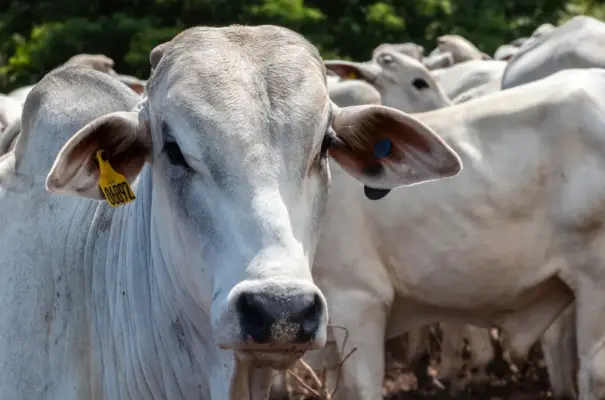
In this context, initiatives such as the National Plan for Individual Identification of Cattle and Buffalo (PNIB) gain relevance by strengthening the identification of the Brazilian herd and contributing to meeting requirements increasingly present in international trade.
The consumer is changing too
The transformations do not occur only on farms or in international forums. In different markets, conscientious consumption is growing, reflected in the incorporation of new criteria into purchasing decisions. Aspects such as food origin, animal welfare, transparency, quality and sustainability have been gaining ground alongside traditional factors such as price, convenience and consumption experience. Understanding these changes is essential to grasp the movements that have been influencing the entire food chain.
Technology, efficiency and competitiveness
Innovation has played an increasingly important role in the evolution of global livestock farming. Tracking tools, data analysis, remote monitoring, automation and new productivity-focused solutions are transforming how food is produced, distributed and marketed.
And the challenge of feeding a growing population while maintaining competitiveness in this movement of transition to green also involves productivity, which counts on important allies such as technology and innovation.
Far beyond the farm gate
The global livestock market is the result of the interaction between producers, industry, consumers, governments, science, technology and international trade. In this section, we follow the movements, trends and transformations that help explain the factors shaping food production on a global scale. Click here and check it out!
- The Art of Producing More with Less in Livestock Farming: The Big Picture
- By 2032, All Brazilian Cattle Are Expected to Be Individually Traceable
- Brazil Reaches a New Milestone in Beef Exports
- Climate Strategy Is the New Passport for Brazilian Beef in the Global Market
- Innovative Financing Supports Food Security
- Beyond Exports: Brazil Accelerates Access to International Markets and Exports Expertise in Fighting Hunger
- Business
- The New Generation of Beef Is Shaped by Conscious Consumption
- Brazil’s Role in Global Food Security
- Precision Livestock Farming: Robots and Sensors Reduce Costs and Environmental Impacts
- EU Agricultural Safeguards Highlight Challenges in the Mercosur Agreement
- Technology and Traceability in the Beef Supply Chain Enhance Control, Quality, and Transparency
- Green Transition Challenges Small and Medium-Sized Cattle Farmers
- Practical Applications of Blockchain Technology in Livestock Farming