Share


The 2026 World Cup was played across three countries that share a passion for meat, but express it in very different ways. The United States, Canada and Mexico have developed their own preparation traditions shaped by factors such as immigration, ingredient availability, climate and regional history. Although in Brazil it is common to call all of these preparations “churrasco“, each country has its own techniques, cuts and customs. Learning about these differences is also a way of traveling through the culture of the competition’s hosts.
United States: the prominence of brisket
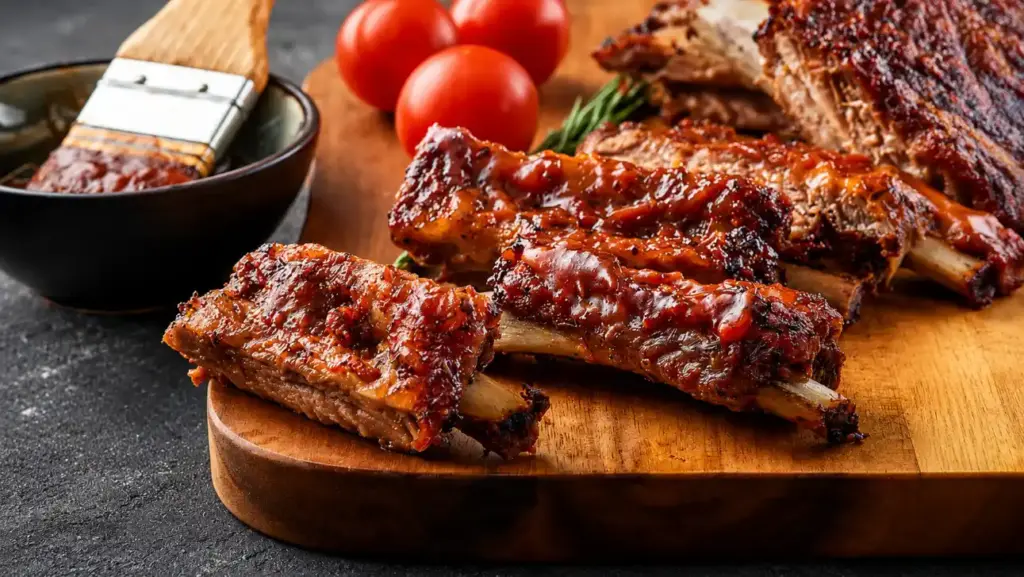
In the United States, especially in Texas, barbecue, as churrasco is called, is associated with slow cooking at low temperatures, using smoke to develop flavor and tenderness. Brisket, the cut taken from the beef chest, is one of the main symbols of this style.
Food & Wine highlights brisket as the centerpiece of Texas barbecue and explains that it is usually cooked for many hours until it becomes tender. The preparation time for smoked brisket ranges from 9 to 12 hours. The Michelin Guide, in its overview of Texas styles, sums up this preparation as meat — usually brisket — smoked “low and slow” for hours.
In addition to brisket, Texas barbecue also includes cuts such as beef ribs, short ribs and artisanal sausages.
Mexico: carne “asada” and high-heat grilling
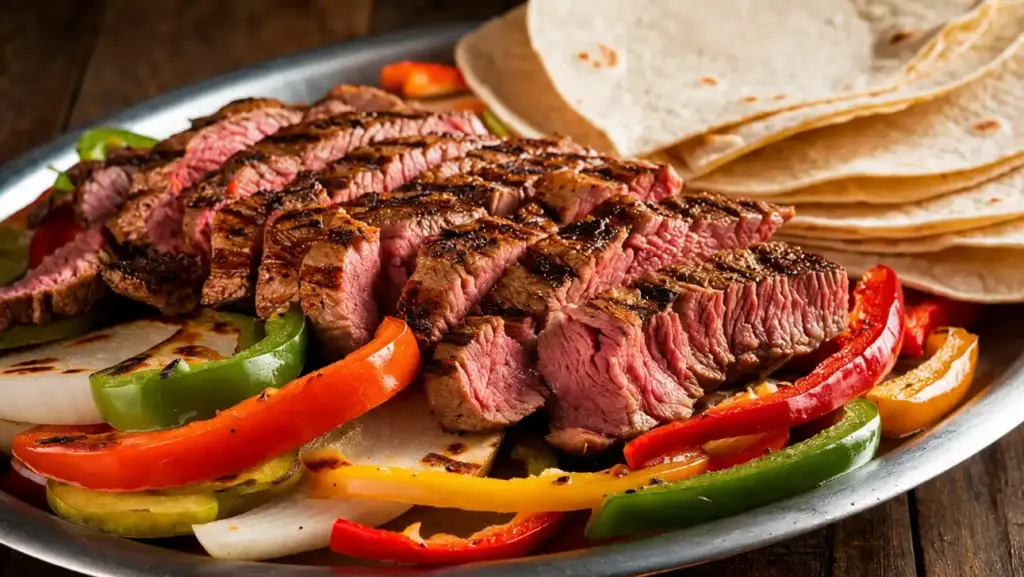
In Mexico, one of the most distinctive traditions is carne asada, closely associated with the north of the country, especially the state of Sonora. Instead of long hours of smoking, the preparation emphasizes a hot grill, sliced meat and tortillas. Chef Pati Jinich, a leading voice in Mexican cuisine, describes Sonoran carne asada as a weekly family ritual that goes beyond grilled meat. Cuts used in this type of preparation include:
- Arrachera, roughly equivalent to flank steak;
- Diezmillo, similar to chuck;
- Top sirloin, close to sirloin cap or other sirloin cuts;
- Costillas de res, or beef ribs.
In her Sonora-style carne asada recipe, Pati Jinich uses top sirloin and chuck eye roll, seasoned with salt and grilled. The Mexican Food Journal also links carne asada to arrachera, or skirt steak, marinated with lime and garlic and cooked quickly over high heat. Food & Wine cites diezmillo, a cut from the front of the animal, as a valued option in northern Mexico and one often marinated for carne asada.
Canada: summer grilling and multicultural influence
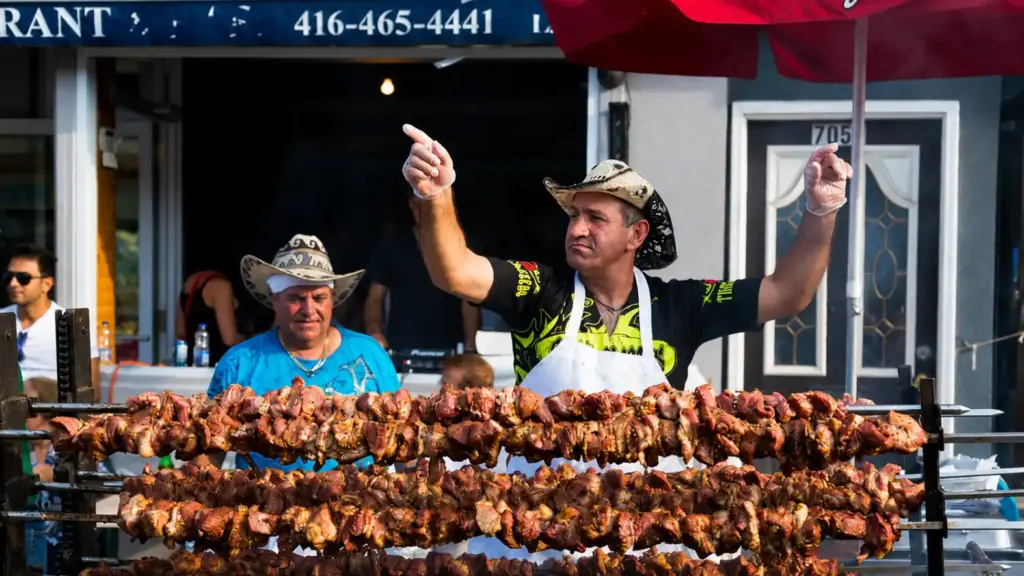
In Canada, barbecue does not center on a single national style as widely recognized as Texas barbecue or Mexican carne asada. Still, grilling meat outdoors is a common practice, especially in summer.
Canada Beef offers specific guidance for grilling meats, including steaks, medallions and beef cuts. The Canada Beef technical guide also mentions cuts such as top sirloin cap, brisket point and options for barbecue preparation, including a reference to picanha-style cooking on skewers or rotisserie.
Another important meat tradition in the country is Montreal Smoked Meat. Although it is not grill barbecue, the dish reflects the strength of smoked meat in Canadian food culture. According to The Canadian Encyclopedia, it is a traditional Montreal dish with Eastern European roots, usually served in a sandwich.
Three cultures, one shared passion for meat
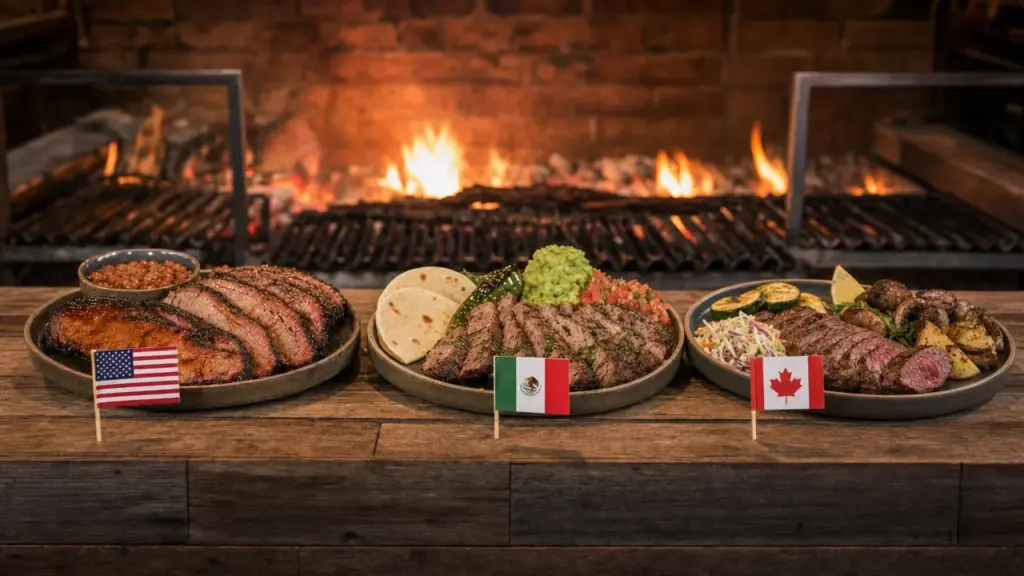
The United States, Mexico and Canada show that there is no single way to make barbecue. In the U.S., the focus is on the slow smoking of cuts like brisket. In Mexico, carne asada values a hot grill, sliced cuts and being served with tortillas. In Canada, summer grilling coexists with smoked-meat traditions such as Montreal Smoked Meat.
What the three countries share is the transformation of meat into a symbol of celebration and special moments, combining the pleasure of eating a juicy cut with the joy of sharing that moment with loved ones.
Read also: What defines a perfect barbecue?
- An Essential Guide to Texas Barbecue
- Episode 904: Carne Asada with La Familia
- Fresh Canadian Beef Barbecue Guide
- Grilling Beef on the barbecue – what could be better?
- Mexican Carne Asada
- 6 Budget-Friendly Cuts of Meat You Can Only Find at a Mexican Butcher Shop, According to Chefs
- Smoked Meat
- Sonora Style Carne Asada Tacos
- The MICHELIN Guide to Texas Barbecue: Where to Find the State’s Best Brisket and Beyond