Share


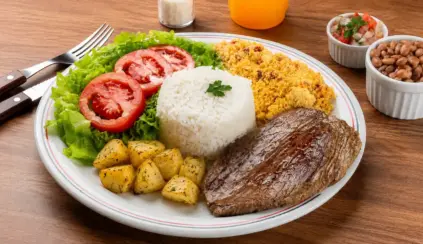
Pairing a good roast with a glass of red wine is a ritual that has spanned centuries of tradition around the world. However, far from being an enigma reserved for sommeliers or a luxury of haute cuisine, pairing meat and wine is a true celebration of balanced flavors, grounded in simple chemical and sensory principles and, above all, in cultural affection.
Pairing does not simply mean repeating the familiar formula of red meat with red wine. The choice involves balancing the intensity of the cut and the drink, considering the amount of fat and the presence of tannins and acidity, as well as taking into account the cooking method, sauces and side dishes. Some combinations bring similar characteristics together; others rely on contrast to refresh the palate. In both cases, the principle is the same: allowing the meat and wine to enhance each other without one overpowering the other.
Across the vastness of the Pampa Gaúcho, in Dom Pedrito, in the state of Rio Grande do Sul, these principles take shape in the experience of the Pötter family. At the helm of the Estância and Guatambu Winery, which combines agricultural production with the pioneering use of solar energy, the family brings together generations devoted to raising beef cattle and producing excellent wines, transforming the barbecue into an authentic laboratory of flavors.
A heritage born in the Pampa and consolidated at the table
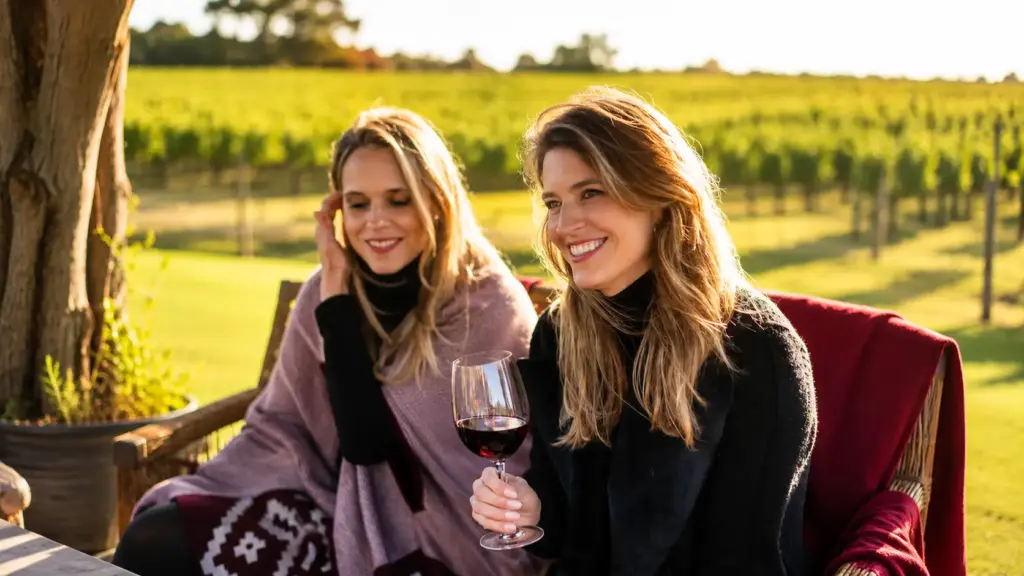
Guatambu’s history reflects the very evolution of wine tourism and agribusiness in the Campanha Gaúcha region. Known for its cattle-raising tradition, particularly with Hereford and Braford breeds, the family expanded its operations by planting vineyards and building a sustainable winery on its own farm. As a result, the fusion of meat and wine emerged as a natural extension of the family’s culture and that of the region itself. “Here in our region, families have the habit of having a Sunday barbecue, always pairing the wine with the meat. We offer this on Epic Day because we already had this know-how as part of our daily routine,” explains Mariana Pötter, Guatambu’s administrative director. During this immersive experience, which grew out of this unpretentious gathering, tourists learn about the winery’s processes and enjoy a wine-paired lunch accompanied by traditional regional music, facing the landscape of the Pampa, with cattle grazing just a few meters from the parrilla. “When we came up with the idea for the winery project, we saw that it was essential to connect the wine with tourism and also with the other products we produced here, which included meat. We saw that it was something very natural to us, very pure and very real,” revealed Gabriela Pötter, director and winemaker at Guatambu, explaining the creation of Epic Day.
The physics and chemistry of taste: fat, tannins and cleansing
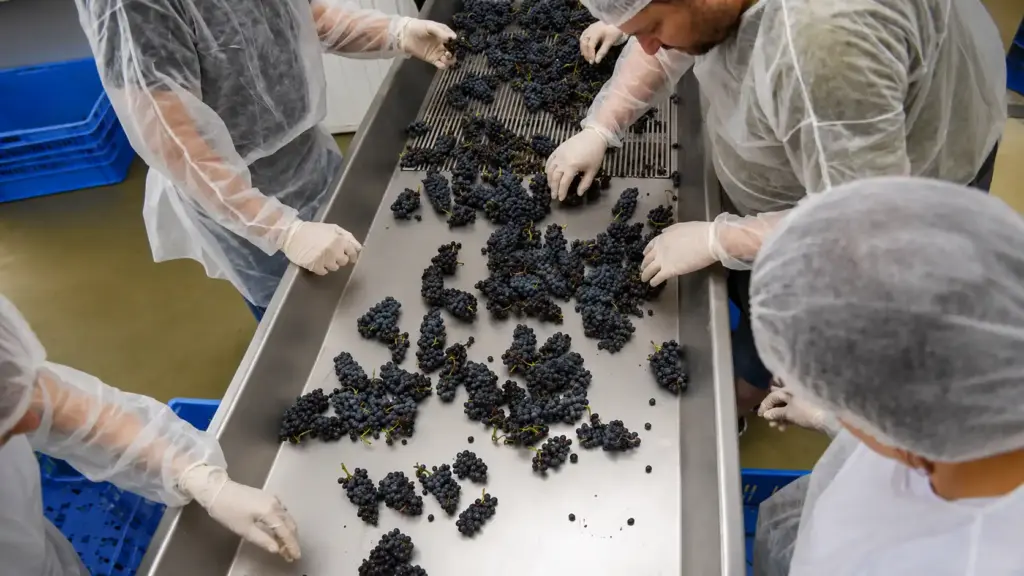
To understand why some combinations work perfectly and others less so, it is necessary to examine the interaction between the compounds in the meat and the drink. The central element in this equation is tannin, a group of polyphenols found in the skins and seeds of red grapes that can also be incorporated into wine during contact with oak barrels. Tannins have an astringent quality — that tactile sensation that “tightens” the mouth.
When beef is chewed, the fat and proteins form a greasy film over the tongue and taste buds. This is precisely where red wine comes into play: tannins interact mainly with proteins in saliva, creating a sensation of astringency. In a pairing, the fat and proteins in the meat help soften this perception, while the wine’s acidity reduces the greasy sensation and refreshes the palate between bites. “A successful pairing is when you first eat the food and then take a sip of wine. If the wine cleanses the palate — in other words, if you no longer feel the excess of the food afterward — it means the pairing worked. The wine’s tannin binds to the fat left in our mouths and cleanses the palate,” Gabriela explains.
Beyond cleansing the mouth, the second major pillar of pairing is the principle of similarity and mutual enhancement. A successful combination should never allow the drink to dominate the dish, nor should the food’s flavor cancel out the wine. Both should express themselves without one overshadowing the other.
Which wine pairs with each cut of meat?
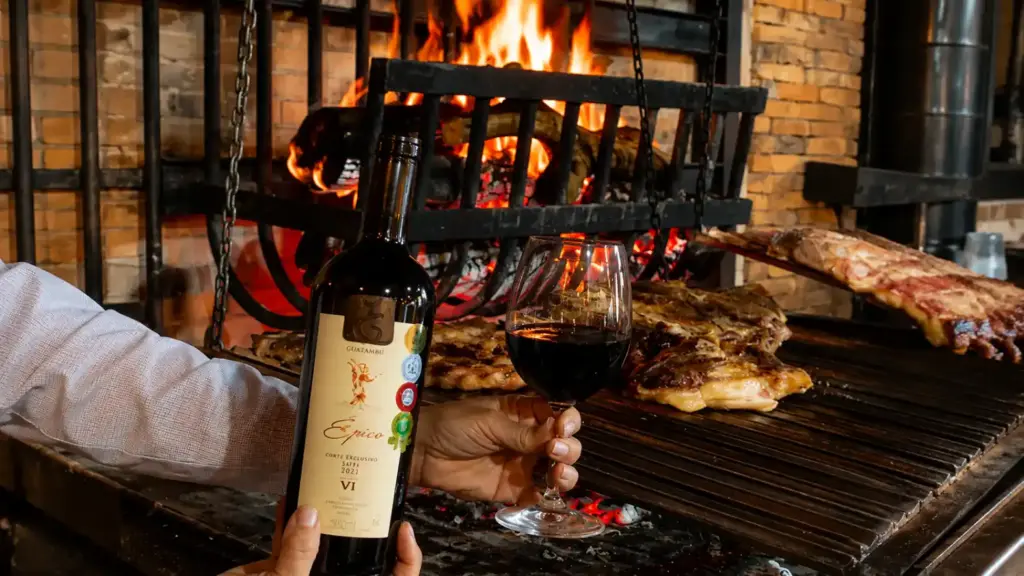
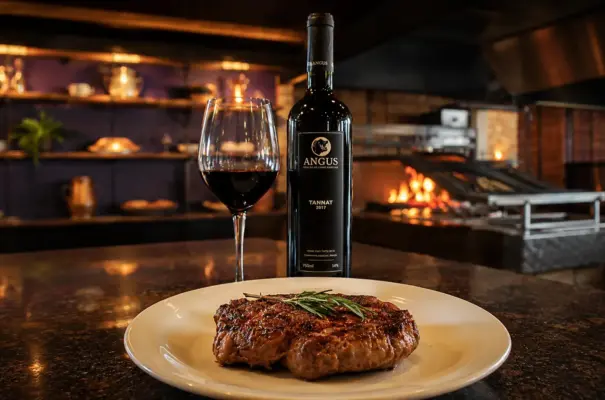
The secret to putting together a straightforward wine-paired menu is to assess the fat content and structure of the beef cut. “A leaner cut, such as maminha, could pair very well with a red wine that is not particularly full-bodied, such as Pinot Noir or Merlot. A cut such as ribs, which has more fat, calls for a more powerful, structured wine with more tannin — in this case, a Tannat,” Gabriela explains. Below are some combinations suggested based on Gabriela’s tips:
- Lean cuts or cuts with little fat: cuts such as filet mignon and the center of the top sirloin have little intramuscular fat (marbling) and therefore pair well with light- to medium-bodied red wines, such as Pinot Noir or Merlot. Very full-bodied wines can overpower the delicacy of the cut.
- Fatty and structured cuts: ribs, picanha and entrecôte call for powerful, full-bodied wines with high tannin levels, such as a good Tannat or a Reserva blend. The meat’s fat can soften the perception of astringency in Tannat, helping the wine become remarkably smooth and balanced on the palate.
- Innovative combinations: red sparkling wine, including versions made with Merlot grapes, combines acidity and effervescence with the grape’s light tannins, helping refresh the palate after roasted meats and even intense dishes such as feijoada. Grilled cuts served with creamy sauces, such as cheese sauce, can be accompanied by fuller-bodied white wines, such as certain Chardonnays. In this way, the wine’s structure matches the creaminess of the sauce, while its acidity helps balance the combination.
In the end, pairing is about celebrating the encounter
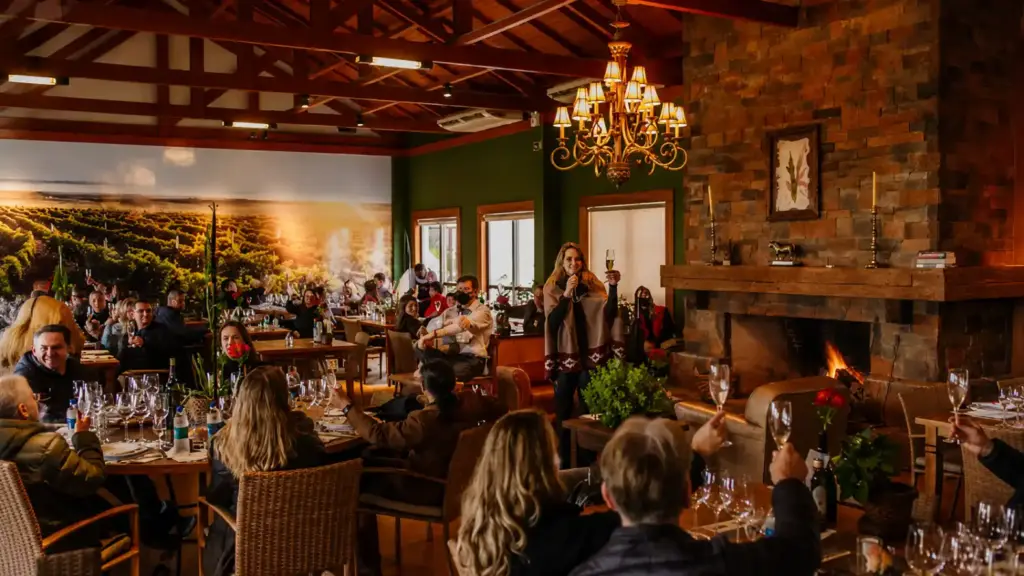
Beyond the chemistry of tannins and the perceptions of taste, the experience presented by the Pötter family stands out for the sensitivity of the moment. Sitting down at the table in the Pampa connects directly with the international Slow Food movement — the act of enjoying a meal without rushing, taking in the local culture, traditional music and the warmth of a family welcome.
Demystifying the pairing of meat and wine means understanding that there are no unattainable rules. It is about seeking balance between equivalent forces, respecting the origin of the ingredients and cherishing the gathering around the table… of flavors and people.