
Share


By Prof. Dr. Marcos Fava Neves
On recent trips to Ireland and the United States, one word caught my attention on supermarket shelves: protein. It appears on packaging, in product claims and in marketing strategies. Foods in a wide range of categories have begun highlighting the amount they provide as an important value attribute.
In the United States, this trend gained even more momentum with the Dietary Guidelines for Americans 2025–2030, which reinforce the consumption of whole, nutrient-dense foods and include meat, poultry, eggs, seafood and plant-based options among the recommended sources.
Looking at supermarket shelves and these new guidelines, it is clear that consumption is entering a new phase. It is worth understanding what is behind this movement, because it is directly connected to some of the main production chains in Brazilian agribusiness.
The strength of beef
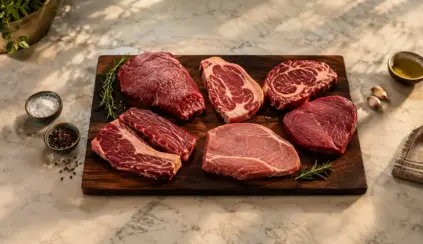
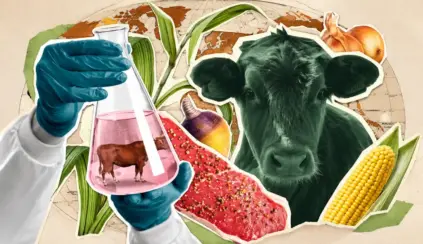
Beef is a good starting point for gauging this opportunity. Cattle farming has a particularly interesting characteristic: it is capable of transforming mainly pasture, but also grain, agricultural byproducts and other resources into high-value food. At the same time, it generates products used by the leather, biogas and biomethane, animal feed, fertilizer, cosmetics and cleaning-products industries, among others.
The economic scale of this transformation is enormous. In 2025, Brazil’s cattle industry generated approximately R$1.159 trillion in economic activity. The country produced 12.4 million carcass-weight equivalent tonnes of beef, while exports generated US$18 billion (approximately R$94 billion at the current exchange rate), a historic record.
It is a very concrete example of how transforming resources available in the country can drive a much larger chain before the product reaches consumers. And this logic is not limited to cattle farming.
Soybeans and corn “on the move”
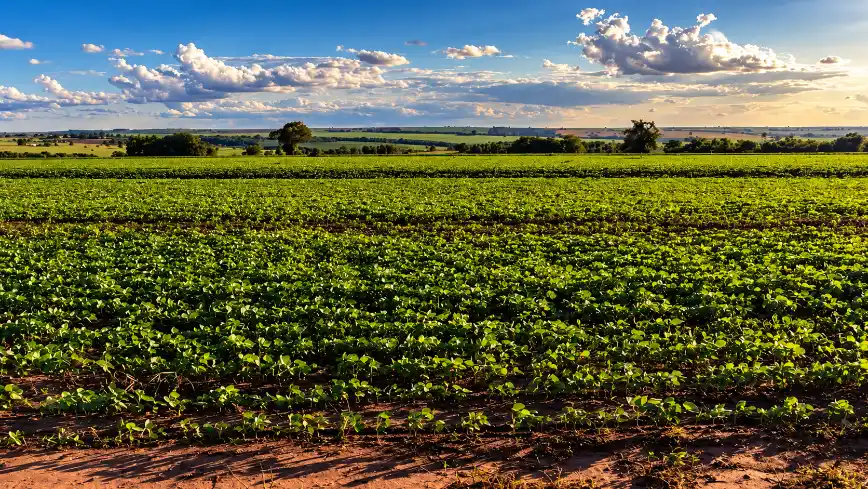
I often joke that chicken and pork are “soybeans and corn on the move.” The expression comes from a very concrete logic: the two grains are among the main components of poultry and swine feed. When we produce these meats, we are also transforming part of the grain produced in Brazil into higher-value food.
Instead of leaving the country as a raw material, this production can move through a supply chain involving feed mills, genetics, nutrition, animal health, farmers, slaughterhouses, processing, packaging, transportation and logistics before reaching the market.
Brazil remains a major global grain supplier, but it is also able to process part of what it produces domestically, driving other economic activities along the way.
The figures help illustrate the scale of this transformation. In 2025, Brazil exported 5.324 million tonnes of chicken, generating US$9.8 billion (approximately R$51 billion) in revenue. During the same period, it shipped 1.510 million tonnes of pork, with revenue of US$3.6 billion (approximately R$18.8 billion).
Combined with beef, the export revenues from these three chains exceeded US$31 billion (approximately R$162 billion) in 2025. It is a figure that demonstrates the strength Brazil has built in this market.
In the specific case of chicken and pork, export revenues totaled approximately US$13.4 billion (around R$70 billion). If, instead of the meats, we considered only the export of the grains used to feed these animals, we would be talking about somewhere between US$3 billion and US$4 billion (approximately R$15.7 billion to R$20.9 billion at the current exchange rate). The data come from the Brazilian Animal Protein Association (ABPA) and the Brazilian Beef Industry and Exporters Association (ABIEC).
The difference helps put the gains from this transformation into concrete terms. Clearly, this is not a matter of choosing between exporting grain or meat. We have the scale and competitiveness to do both. The opportunity lies precisely in this complementarity: remaining an agricultural powerhouse while increasing the share of production that gains value within Brazil.
Value stays in Brazil

In cattle farming, the effects of this transformation spread across different economic activities. In inputs and services for production alone, the chain generated R$165.5 billion in 2025. The slaughtering industry consumed another R$61.6 billion in packaging, energy, logistics and services. It is the difference between looking only at what leaves through the port and seeing everything that happened in the Brazilian economy before that shipment.
Looking at the global landscape, we are very well positioned. We are the world’s largest exporter of chicken, hold a prominent position in the international pork market and lead global beef exports. Beef alone now reaches more than 175 international destinations.
This strength in meat is complemented by egg production, another important source of protein in which Brazil has been expanding its international presence. The result is a diversified platform that combines the availability of soybeans, corn and pasture with technologically advanced producers, genetics, animal health, tropical technology and a food industry prepared to serve markets with widely varying requirements.
In the long term, the outlook remains highly promising. Population growth, urbanization and rising incomes will continue to increase the need for food around the world. At the same time, food security and supply capacity have gained even greater importance in recent years.
Maintaining this competitiveness will require efficiency and the ability to keep pace with an increasingly demanding market. But Brazil starts from a privileged position, supported by a production structure built over decades.
This market’s new phase opens up an opportunity that goes beyond increasing exports. If global demand for protein continues to grow, I believe we will be looking at a scenario directly connected to some of the greatest strengths of Brazilian agribusiness. The next step is to turn this advantage into even greater value for the country.
- Dietary Guidelines for Americans 2025–2030. U.S. Department of Health and Human Services and U.S. Department of Agriculture.
- Brazilian Animal Protein Association (ABPA). Annual Report 2026. Consolidated data on Brazilian poultry and pork production for 2025.
- Brazilian Beef Industry and Exporters Association (ABIEC). Beef Report 2026 – Profile of Cattle Farming in Brazil
- DoutorAgro – Marcos Fava Neves. The New Phase of Protein and the Opportunity for Brazil.