Share


For a long time, discussing food security meant debating whether the world would be able to produce enough food for a growing population. In recent decades, however, the concept has evolved to incorporate an equally important question: ensuring that this food is accessible, safe, nutritious and continuously available to the entire population.
This shift in perspective reflects challenges that go beyond agricultural production. Climate change, international conflicts, economic crises, logistical bottlenecks and social inequalities can compromise both food supply and access, while phenomena such as food deserts show that producing on a large scale does not necessarily mean ensuring adequate food for everyone. In this context, food security has become one of the leading issues on global agendas in the 21st century, linking topics such as sustainability, food systems, nutrition, economic development and adaptation to climate change.
What is food security? The UN’s vision and the focus of the 2030 Agenda
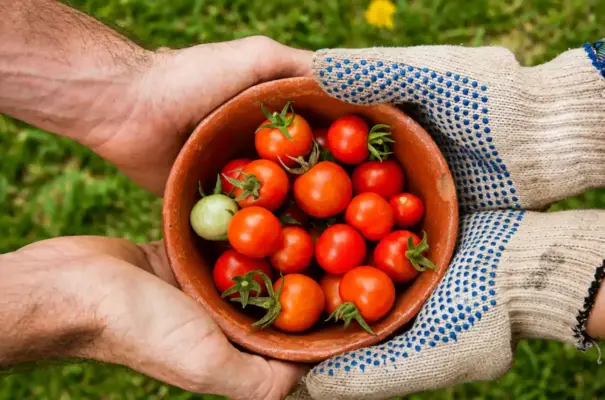
The most widely adopted international definition was consolidated during the 1996 World Food Summit, organized by the Food and Agriculture Organization (FAO). According to the document, food security exists when all people, at all times, have physical and economic access to sufficient, safe and nutritious food to meet their dietary needs and preferences, enabling an active and healthy life.
This definition represents an important evolution from discussions in the past. While the central concern was once to increase food supply to combat hunger, today the concept incorporates economic, social, environmental and nutritional factors, reflected in the 2030 Agenda for Sustainable Development, more specifically Sustainable Development Goal 2 (SDG 2), established by the United Nations (UN). The objective is to achieve food security, improve nutrition and promote sustainable agriculture, connecting issues such as access to safe and nutritious food, strengthening sustainable production, increasing agricultural productivity and building the resilience of food systems in the face of climate change. This approach reinforces the idea that addressing food insecurity depends not only on producing more, but also on building supply chains capable of ensuring availability, access, nutritional quality and sustainability over time.
Food security in four dimensions
According to the World Bank, food security is based on four main dimensions:
- Availability: related to food production, stocks and supply.
- Access: takes into account economic and physical aspects, such as income, infrastructure and the population’s purchasing power.
- Utilization: linked to sanitary conditions and the nutritional quality of food, as well as the body’s ability to absorb the nutrients consumed.
- Stability: represents the ability to maintain these factors over time, even in the face of economic crises, conflicts or extreme weather events.
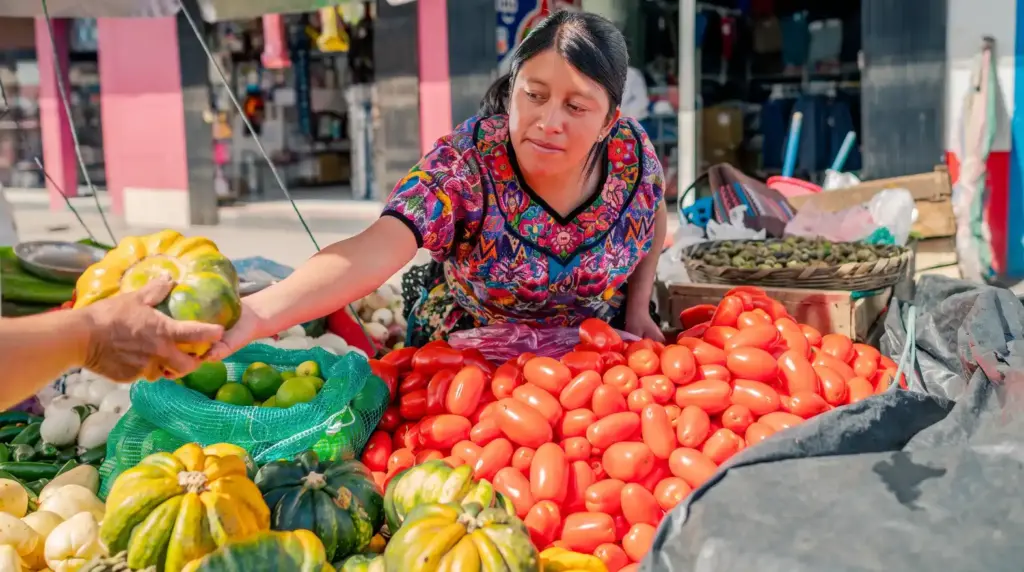
In practice, this means that a country can produce large volumes of food and still face food security challenges if part of the population cannot access an adequate diet.
Why has food security become a global concern?
For much of the 20th century, it was believed that increasing agricultural production would be enough to meet the food needs of the world’s population. However, although productivity gains have significantly expanded food supply, they have also revealed new challenges.
One of them is population growth. The United Nations projections indicate that the population could reach 9.7 billion people by 2050, increasing demand for food, water and energy. This scenario requires production systems capable of serving a larger population without proportionally increasing pressure on natural resources.
Climate change represents another major challenge. Changes in rainfall patterns, prolonged droughts, floods and heat waves affect agricultural productivity and increase the vulnerability of different producing regions. The report released in partnership with the World Meteorological Organization (WMO) and the FAO warns that extreme events have been putting pressure on agrifood systems worldwide, affecting crops, livestock and supply chains. In Brazil, for example, the combination of the El Niño phenomenon, prolonged dry spells and extreme temperatures affected major producing regions in recent years.
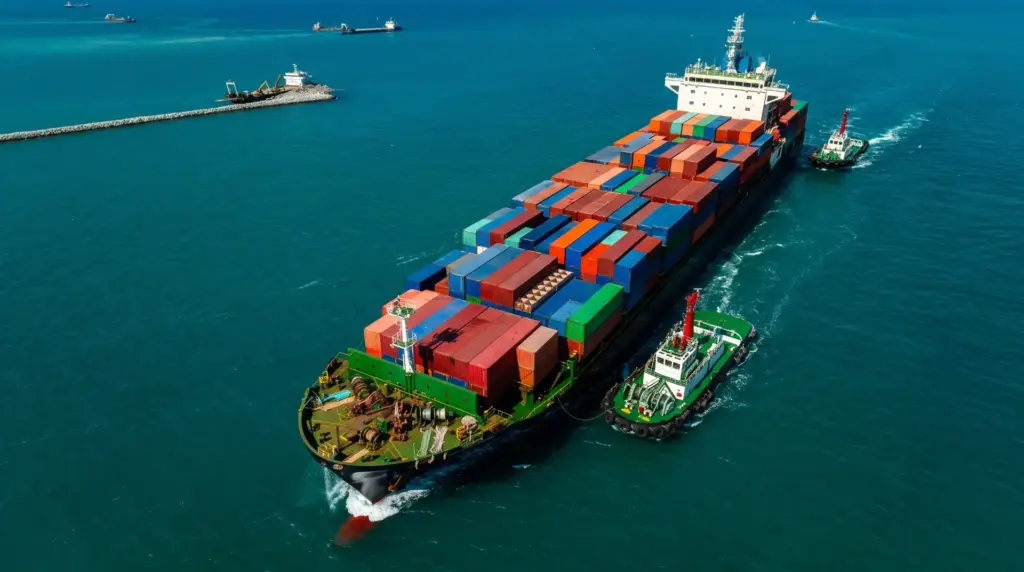
Geopolitical conflicts can also disrupt supply chains, reduce the availability of agricultural inputs and drive up food prices. The war between Russia and Ukraine, for example, affected international trade in grains, fertilizers and energy, causing fluctuations in global markets and putting pressure on agricultural production costs.
According to analyses by the FAO, the conflict contributed to significant increases in international food and agricultural input prices. The COVID-19 pandemic, meanwhile, showed how health crises can simultaneously affect production, transportation, trade and consumption, exposing the vulnerability of global food systems.
The contemporary challenge, therefore, is not merely to produce more food, but to build resilient systems capable of facing environmental, economic and social changes without compromising supply. This perspective brings food security closer to other global agendas, such as adaptation to climate change, sustainable development and reducing inequality in access to adequate food.
Read also: Sustainability in livestock farming: between the present and the future of food
What are food systems and why are they essential to food security?
If food security goes beyond the quantity of food produced, it is necessary to examine the entire journey food takes before reaching consumers. This is precisely the premise of the food systems concept, which has gained prominence in international discussions on sustainable development.
According to the FAO, a food system encompasses all activities related to the production, processing, transportation, marketing, consumption and disposal of food, as well as the economic, social and environmental factors that influence these stages.
Technological innovation plays an important role in this process. Precision agriculture, remote monitoring, artificial intelligence, digital management systems and traceability tools help optimize resources, reduce losses and increase transparency across production chains.
Read also: The three forces redefining modern livestock farming
Brazil’s challenge: producing, distributing and expanding access to adequate food
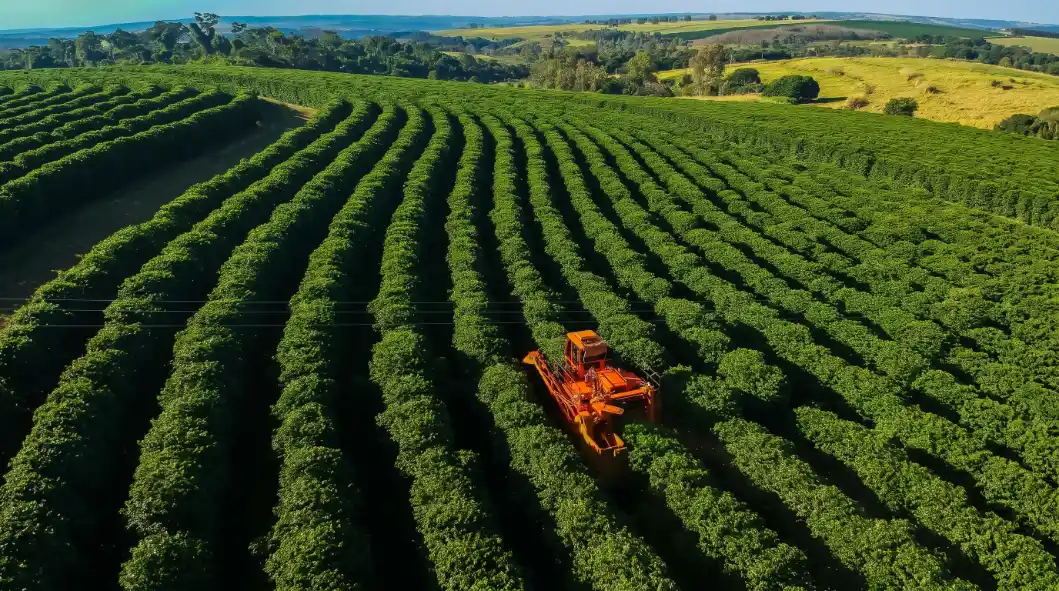
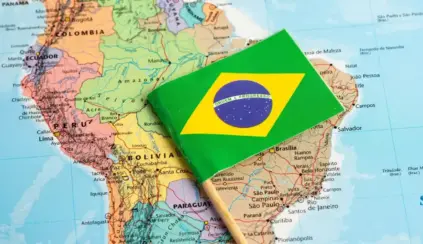
Brazil holds a strategic position in global food systems, ranking among the world’s leading food producers and exporters. With diversified agriculture and livestock production capable of supplying the domestic market and meeting international demand, it is one of the countries with the greatest potential to become the world’s leading food supplier, as is South America more broadly.
At the same time, Brazil’s reality shows that food security does not depend exclusively on the volume produced. This perspective is reflected in the Organic Law on Food and Nutritional Security (LOSAN), which defines food and nutritional security as the fulfillment of everyone’s right to regular and permanent access to quality food, in sufficient quantities, without compromising other essential needs and based on dietary practices that promote health and are environmentally sustainable.
The legislation also established the foundations of the National Food and Nutritional Security System (SISAN), created to integrate public policies aimed at promoting the human right to adequate food.
Increased investment in technological innovation shows that productivity and sustainability are not incompatible goals: more efficient production systems can expand food supply while reducing environmental impacts and strengthening supply-chain resilience. In Brazil’s case, the challenge can be summarized in three complementary objectives:
- produce efficiently;
- distribute with quality; and
- expand the population’s access to safe and nutritious food.
Because of this complexity and its multifactorial nature, international organizations emphasize that strengthening food security depends on the joint efforts of governments, the productive sector, the scientific community and civil society — and that issues related to production, consumption, international trade, infrastructure and public policies directly influence food availability and access.
The Food and Agriculture Organization (FAO) estimates that approximately 13% of food produced for human consumption is lost between harvest and retail — during stages such as transportation, storage and processing. Reducing this waste is one of the strategies identified by the organization to strengthen global food security without requiring proportional increases in production.
According to the FAO, transforming agrifood systems is precisely one of the conditions for achieving the SDGs and strengthening countries’ ability to address challenges related to hunger, malnutrition and climate change. This transformation involves different strategies: adopting technologies that increase production efficiency, reducing losses throughout the chain, restoring degraded areas, sustainably managing water resources and strengthening supply logistics.
Read also: Brazil, the world’s breadbasket?
Food security, nutrition and diet quality

The concept of food and nutritional security goes beyond food security indicators that focused on the availability of enough calories to prevent hunger. Although this remains a challenge in several regions of the world, nutrition science has broadened this perspective by considering the importance of dietary diversity and access to essential nutrients. This context has become particularly relevant in light of the so-called double burden of malnutrition: in different countries, vitamin and mineral deficiencies coexist with rising obesity and diet-related chronic diseases.
The report The State of Food Security and Nutrition in the World (SOFI), published annually by the FAO, the International Fund for Agricultural Development (IFAD), the United Nations Children’s Fund (UNICEF), the World Food Programme (WFP) and the World Health Organization (WHO), monitors indicators related both to hunger and to the quality of diets consumed by the world’s population. This approach shows that food insecurity is not manifested only by the absence of food — it may also be associated with difficulty accessing varied and nutritionally balanced diets.
A constantly evolving concept
The history of food security shows that food production, although essential, represents only part of the challenge. Ensuring adequate food for a growing population requires systems capable of producing, transporting, storing and distributing food efficiently, safely and sustainably, while also being resilient enough to face economic crises, extreme weather events and social transformations without compromising supply.
In a world marked by constant change, strengthening food security means investing in the ability to balance productivity, innovation, nutritional quality and environmental responsibility to ensure that safe, quality food with high nutritional value reaches people sustainably.
Food security vs. food safety: what is the difference?

Because of their similarity, food security and food safety can be confused, but the concepts are entirely distinct.
Food security is related to regular and permanent access to adequate food in sufficient quantity and quality to meet the population’s needs. Food safety, meanwhile, refers to the conditions that make food safe for consumption, such as good production, storage, transportation, processing and preparation practices, in order to reduce the risks of physical, chemical and/or biological contamination.
However, the two issues can complement each other: ensuring food is safe from a sanitary standpoint contributes to public health, while promoting food security means ensuring that this food is continuously available and accessible.
- World Food Summit, FAO (1996)
- What is Food Security? – World Bank
- Food Systems – FAO Climate-Smart Agriculture Sourcebook
- Global Food Losses – FAO SDG Data Portal
- SOFI 2024 – FAO/IFAD/UNICEF/WFP/WHO
- LOSAN – Law 11.346/2006 – Planalto
- Population projections – UN DESA
- Sustainable Food and Agriculture – FAO